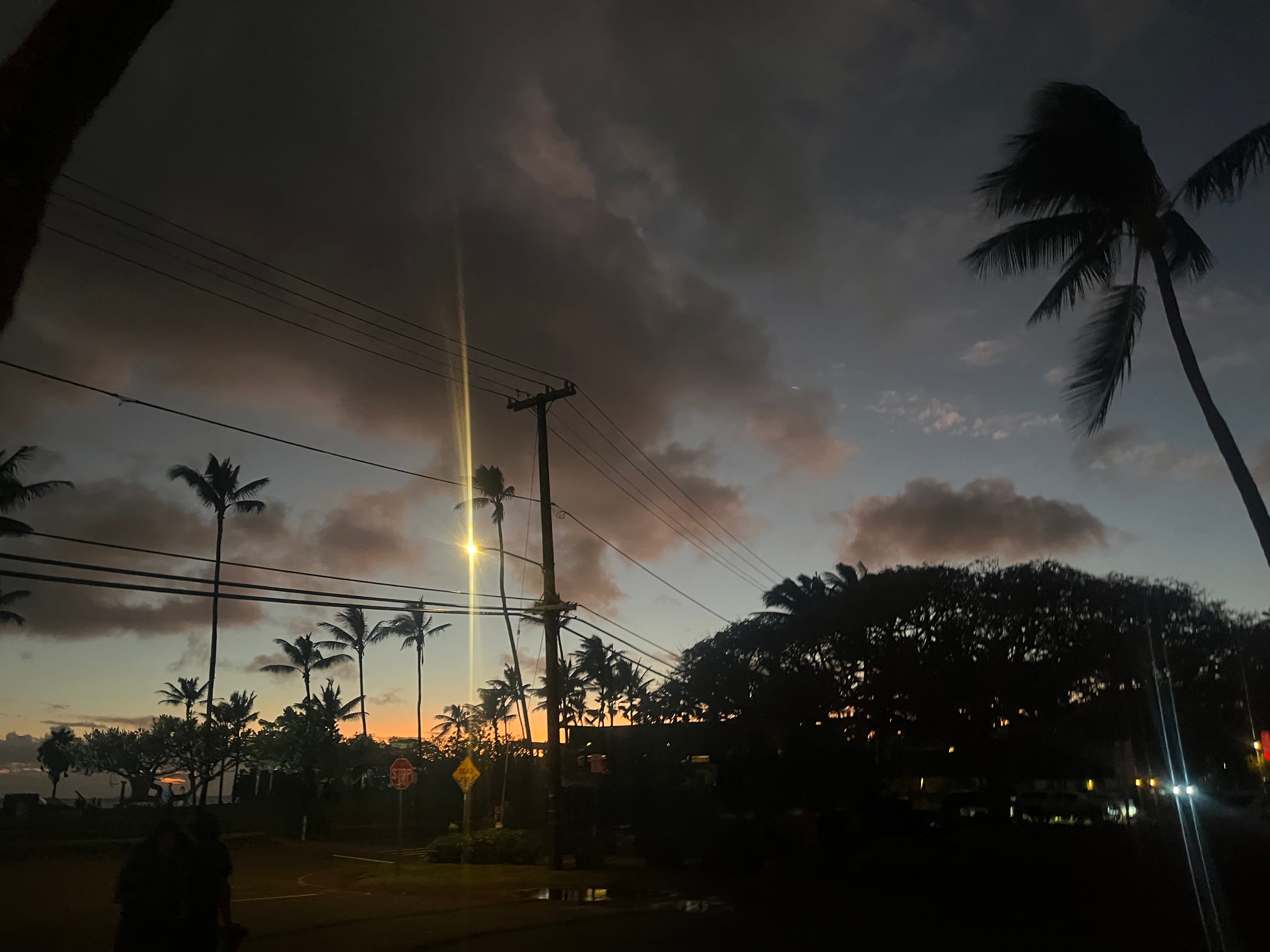
Time on Kauaʻi
In practice with moveMEANT Destination / Dancers Unlimited

Note: Flooding across Hawaiʻi is ongoing, and the need for support is active. Some communities are receiving more attention than others, including places like Molokaʻi where impact has been less visible in national coverage. If you are reading this, I encourage you to take a moment to look into community-led fundraisers and local efforts, to give it your attention, and if you are able, your support.
I went to Kauaʻi in February for ten days to take part in a program called MoveMeant Destination, and it has taken me some time to understand what that experience was. While I was there, I tried to place it inside terms I already knew, something like a workshop or a training, but those words didn’t quite fit. What I was inside of felt more like being brought into ongoing relationships between people, land, language, and practice, something that was already happening and that I was temporarily allowed to be near.
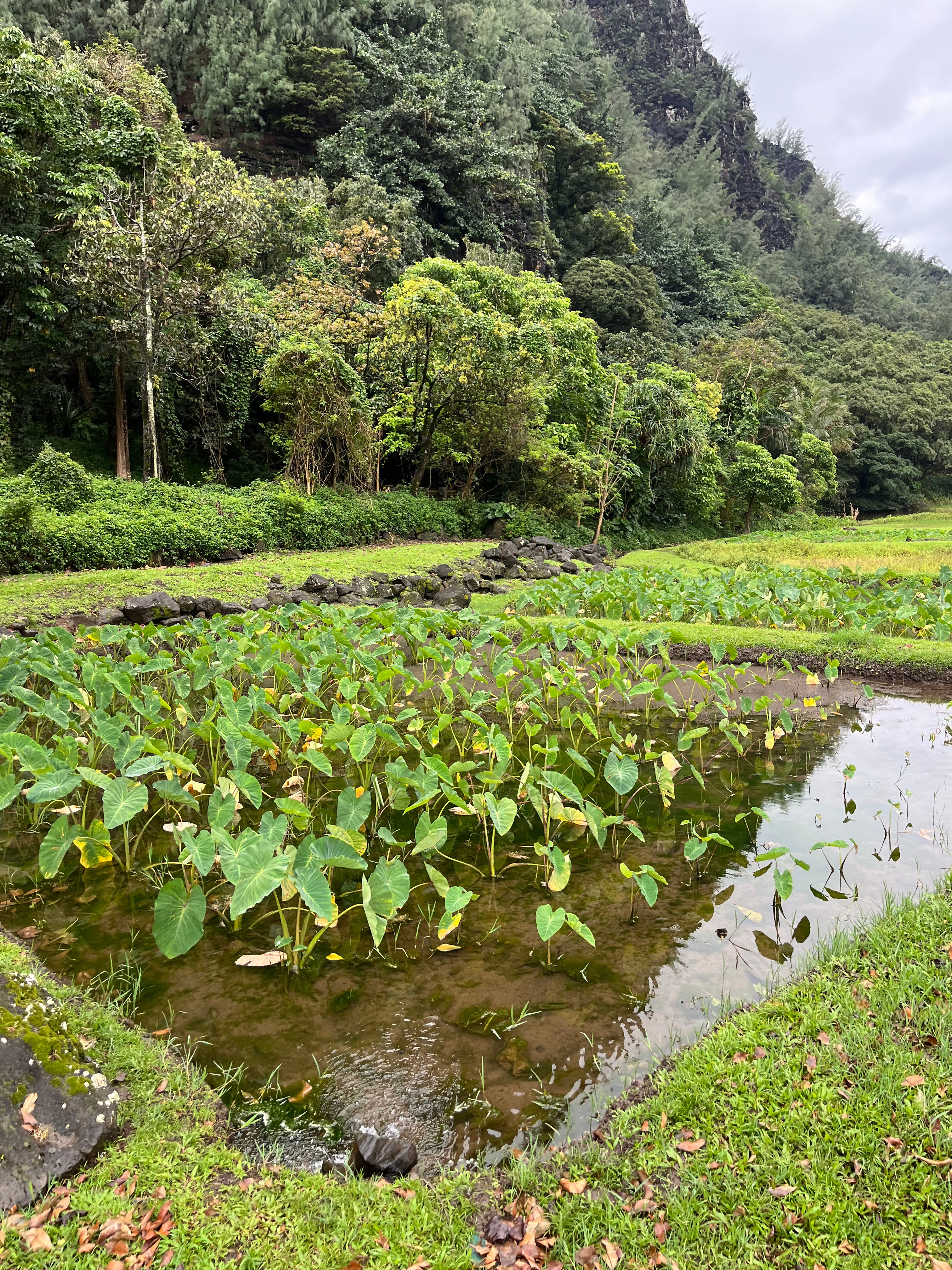
What brought me there was my role as Director of Education and Artistic Engagement at Field Hall in Port Angeles, Washington, on the land of the Lower Elwha Klallam Tribe. This is where I live and work, where relationships to land and water are present in daily life, and where the community includes artists, educators, families, and workers who are building and sustaining something over time. I was invited to experience MoveMeant Destination through the perspective of a presenter, to understand what this kind of engagement is, and what it might mean to be in relationship to something like this in the future. I arrived thinking about programming, about audiences, about what might resonate in a place like the Olympic Peninsula, a rural region shaped by distance, resourcefulness, and a wide range of lived perspectives.
Those questions stayed with me, but they shifted once I began to understand where I was.
MoveMeant Destination was founded by Linda Kuo and Kumu ʻAuliʻi as a company training program for Dancers Unlimited. As a kanaka maoli, Kumu has been the one spearheading the program. The program was facilitated by Kumu ʻAuliʻi Aweau, who holds deep relationships with the cultural practitioners we spent time with. I experienced that not as something explained, but as something evident in how we moved from place to place, and in how each encounter felt grounded in existing trust. I did not feel like I was being shown something arranged for me. I felt like I was being allowed into spaces that were already in motion.
I have spent much of my life moving through dance as a way of entering new places. Since I was eleven, I have attended festivals, workshops, and intensives, and I now teach within those same circuits. I have often followed dance into new communities as a way of connecting and learning. Because of that, I arrived thinking I knew how to be in a dance-based experience in a new place.
What I encountered in Kauaʻi asked something different of me. This was the first time I spent extended time inside a practice where what I might call dance is not separate from other parts of life, where it moves alongside language, genealogy, land stewardship, and daily ways of being. I had seen hula before, but I had not spent time with it in context, or in duration. Being there over time made it clear that the context is the practice, and that the time spent there is part of what allows anything to be understood.
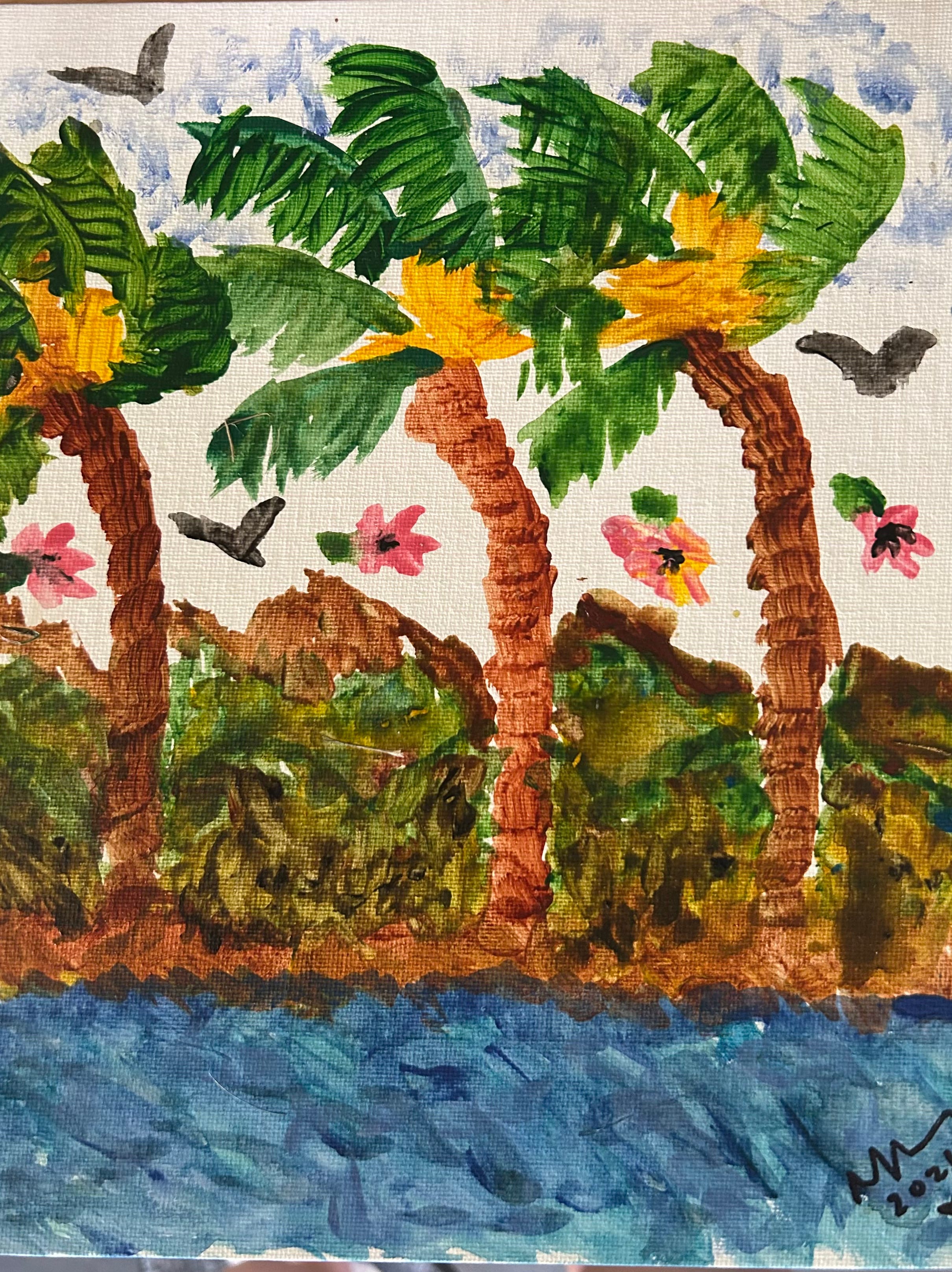
I was in a group with dancers working across Filipino, Haitian, Brazilian, Hawaiian, and Taiwanese forms. I understood that each of them carries their own relationship to culture, history, and marginalization within dance spaces. I did not feel those differences being flattened. I felt them present, and I felt myself learning how to sit within that without trying to resolve it.
What stayed with me were specific moments where I could feel my own orientation shifting.
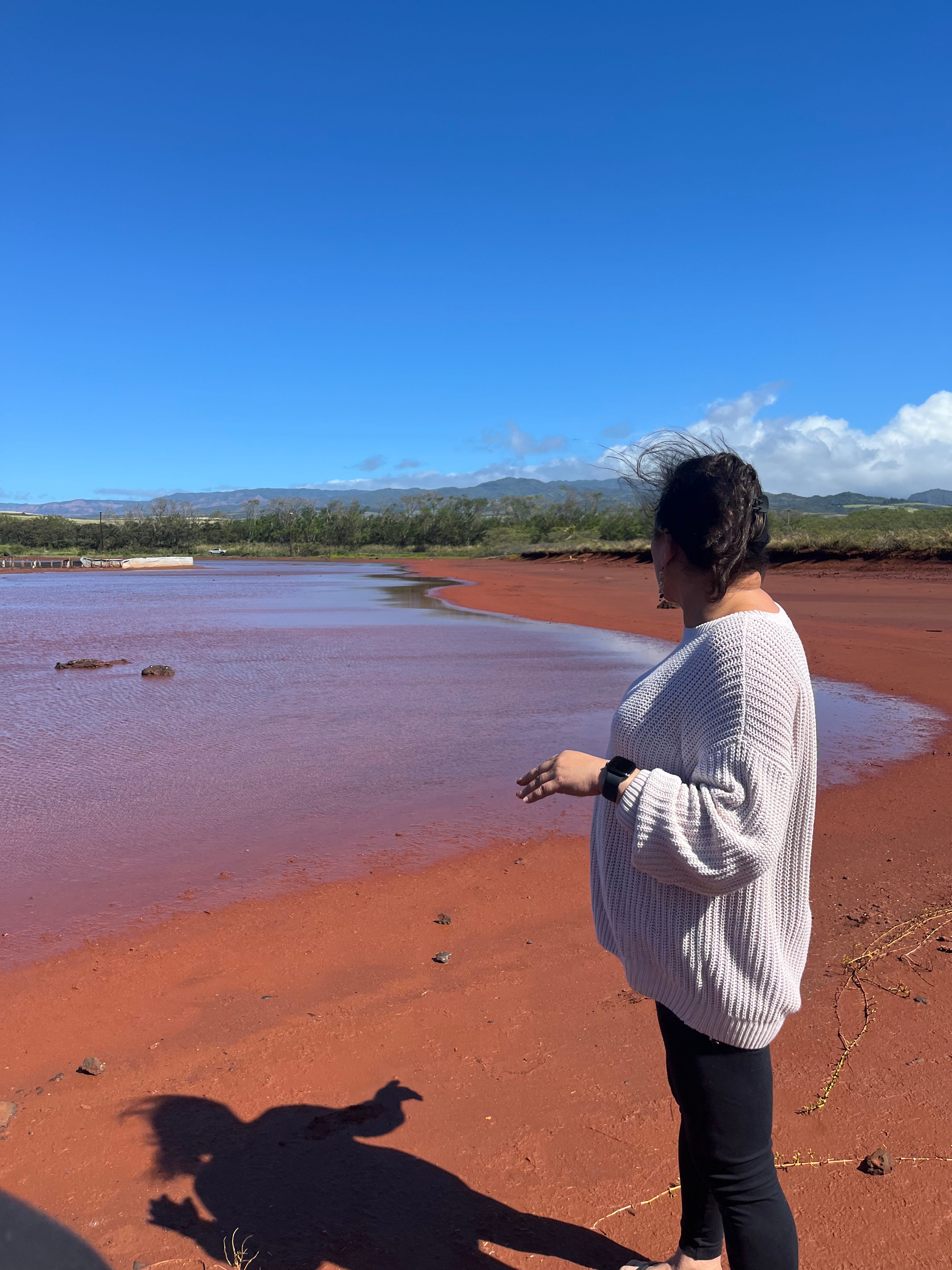
At the Hanapēpē salt beds, an oli opened the space. I remember noticing that the chant did not begin for us. It was already in motion, and I needed to adjust to it. I paid attention to where my body was, how I was listening, and realized that my role was not to understand immediately, but to follow, to align, to be quiet enough to register what was happening.
I spent time there with Special Guest Cultural Practitioner Nāmomi McCorriston, who welcomed us into the Hanapēpē salt beds, an ancient salt-making site where her family has harvested paʻakai for generations, part of a practice that stretches back over a thousand years. She spoke about the process of collecting seawater in shallow clay beds and allowing it to evaporate and crystallize, and how the salt is used for food, ceremony, and medicine. I understood that this was not only a process being described, but a family lineage being continued, something that I was being allowed to witness for a brief moment. I remember noticing how the salt is treated as something sacred, something that can be shared or given, but not sold, and how that shifted my sense of value and exchange.
In the hālau of Kumu Troy Hinano Lazaro, I spent time in the space where he teaches, surrounded by photographs of his teachers and lineage. I remember looking at those images and understanding that the room was not only a place for learning movement, but a place where history is held and carried forward. Being there, I found myself thinking about my own dance teacher, Mary Marcial, who was a second mother to me growing up. I thought about her studio, about the way certain spaces become anchors for memory, where what is passed on is not only technique, but a way of being in relationship.
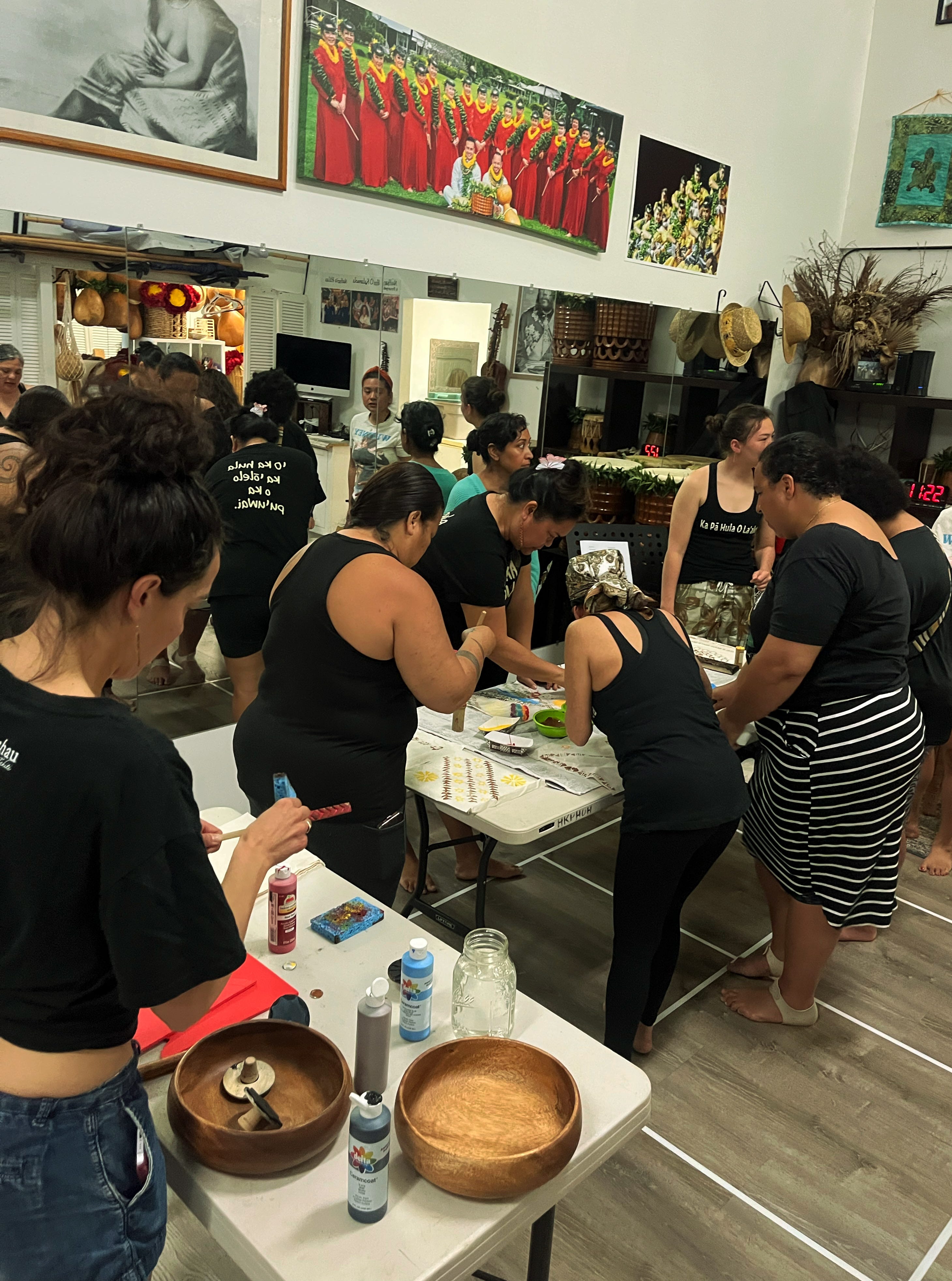
I want to be clear that these spaces are not the same, and that the forms they hold exist within very different histories and conditions. At the same time, I recognized something in how Kumu Troy holds his role, in his connection to his teachers and to what he carries forward. It brought me back to my own experience of learning through dance, and to how I remember my teachers through my body. Dancing has been, for me, a way of remembering and a way of staying in communication, something that continues whether or not the person is still in the room, or has passed on.
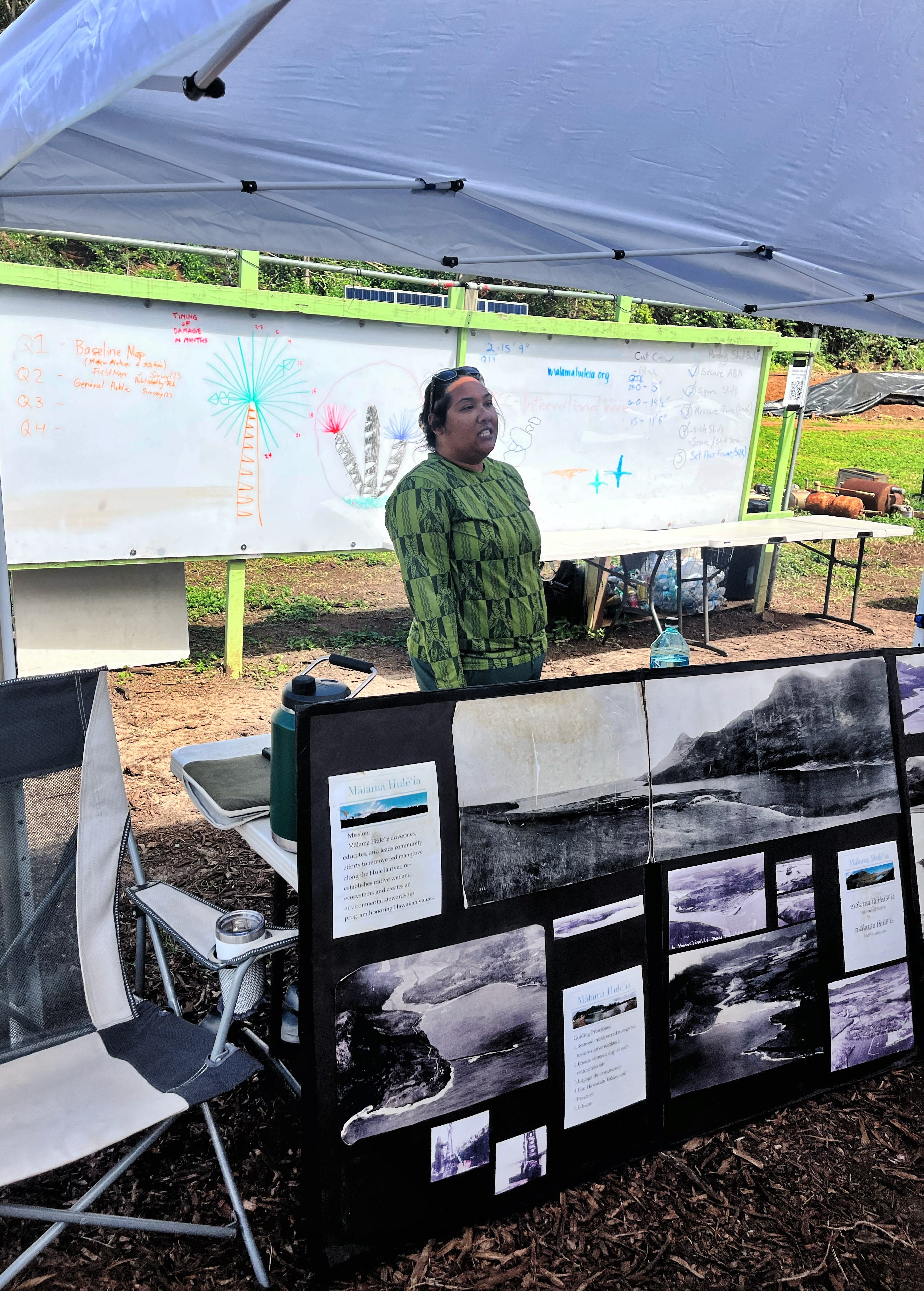
At Alakoko Fishpond, I stood on the stone wall and spent time listening, looking out across the water and the length of the kuapā. I learned that the fishpond has existed for hundreds of years, and that it continues through ongoing care. I listened as the work of removing invasive mangrove was described, and how that labor is tied to the restoration of native ecosystems and to the continuation of cultural relationships to the land and water. I remember noticing that what was being shared was not framed as something to be finished, but something to be tended over time, something that requires people to return, to commit, and to stay in relationship across generations.
In Anahola, I spent time with Special Guest Cultural Practitioner ʻAlohilani Rogers. I listened as she spoke about the land as part of an ahupuaʻa system, and about the cultural and historical significance of the area. I remember noticing how she moved between ʻōlelo Hawaiʻi and English, and how the language itself carried a continuity that did not depend on my understanding. I felt the presence of something whole, something that exists whether or not it is translated outward.
I was also deeply moved by the time spent with Chucky Boy Chock at the Kauaʻi Museum. I listened as he spoke about the history of the island and its people, and I felt the care in how that history is held and shared. I understood that this was not only about preservation, but about ongoing storytelling, about how memory is carried forward and how it remains active in the present.
Across these moments, I kept asking myself what it means for me to be present in something that is not organized around my understanding.
I am writing now as flooding is moving across Hawaiʻi, including places like Molokaʻi that have not been named as widely. I think about the places I was in, and the people I learned from, and how the conditions of land and water are not separate from the practices I witnessed. I also think about how what I saw was not fragile. It was active, practiced, and sustained.
From the perspective of my work, I find myself asking different questions than I expected. I am less focused on what could be brought somewhere else, and more focused on what cannot be separated from where it comes from. I am thinking about what it means to invite something into a different place, and what responsibility that carries.
I find myself thinking more directly now about where I live.
On the land of the Lower Elwha Klallam Tribe, I am part of a set of relationships that are ongoing, complex, and shaped by both stewardship and the enduring conditions of colonization. Being in Kauaʻi did not introduce me to this perspective, but it added specificity to something I have been in conversation with over time, particularly in how I understand relationship, responsibility, and what allows cultural practices to continue.
What stays with me is not a need to understand, but a continued orientation toward listening, toward collective responsibility, and toward forms of knowledge carried through land and across generations. This is not fixed. It continues to shift through experience, through proximity, and through attention.
I am not arriving at a conclusion, but continuing in a process of learning that remains open, shaped by Indigenous and matriarchal systems of knowledge, and grounded in the work of staying in relationship without making understanding the objective.
I ask myself:
How do I learn from Indigenous practices in ways that build relationship and accountability, without reshaping them to fit familiar frameworks of access, visibility, or exchange?
What does it mean to be in relationship to knowledge carried through deep time, and how do I adjust my pace, my expectations, and my role to meet it where it is?
How do I recognize what is already present in the place I live, and how can I show up in ways that support and align with that presence, rather than redirect or redefine it?
What does it look like to support work that is ongoing and rooted in continuity, where the goal is not completion or translation, but sustained care over time?
How might I begin to measure value through return, relationship, and responsibility, rather than production or outcome?